Best Glass Polishing Machine for Perfect Finish in 2026?
When it comes to achieving a flawless finish on glass surfaces, the right tools make all the difference. A Glass Polishing Machine stands out as an essential device for professionals and DIY enthusiasts alike. By utilizing advanced techniques, these machines can restore clarity and shine to glass, tackling imperfections like scratches and haziness.
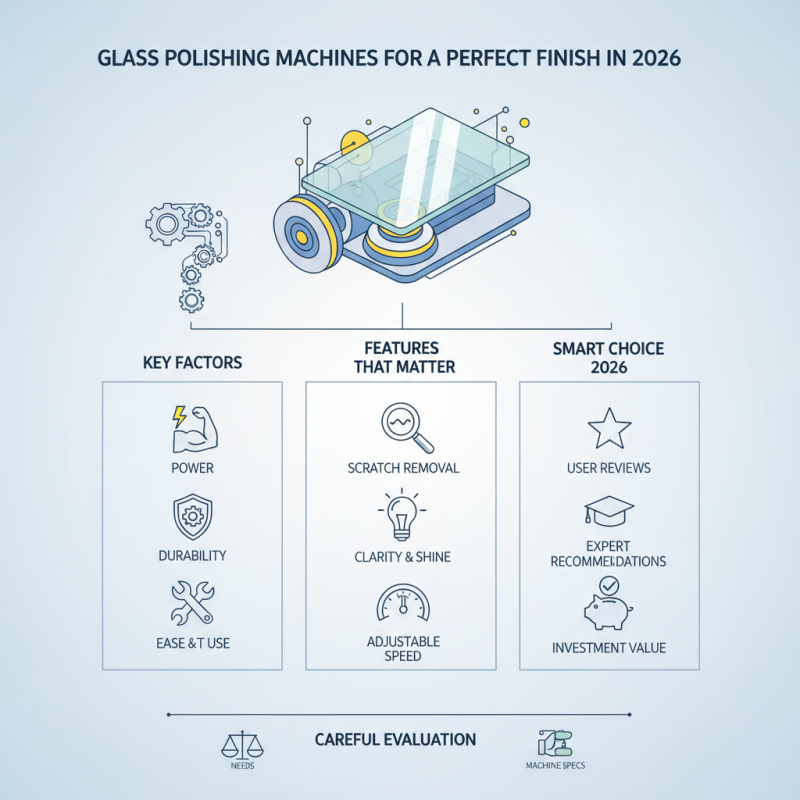
However, selecting the best Glass Polishing Machine for 2026 requires careful consideration. The market is flooded with options, and not all machines deliver optimal results. Factors such as power, durability, and ease of use play a crucial role in your choice. While some machines excel in performance, others may fall short, leaving users disappointed.
It is important to reflect on the specifications and features that truly matter. Additionally, understanding user reviews and expert recommendations can guide you toward a reliable choice. Remember, investing in a quality Glass Polishing Machine can elevate your glass finishing projects, but careful evaluation of your needs is essential to avoid potential regret.
Overview of Glass Polishing Machines: Key Features and Benefits
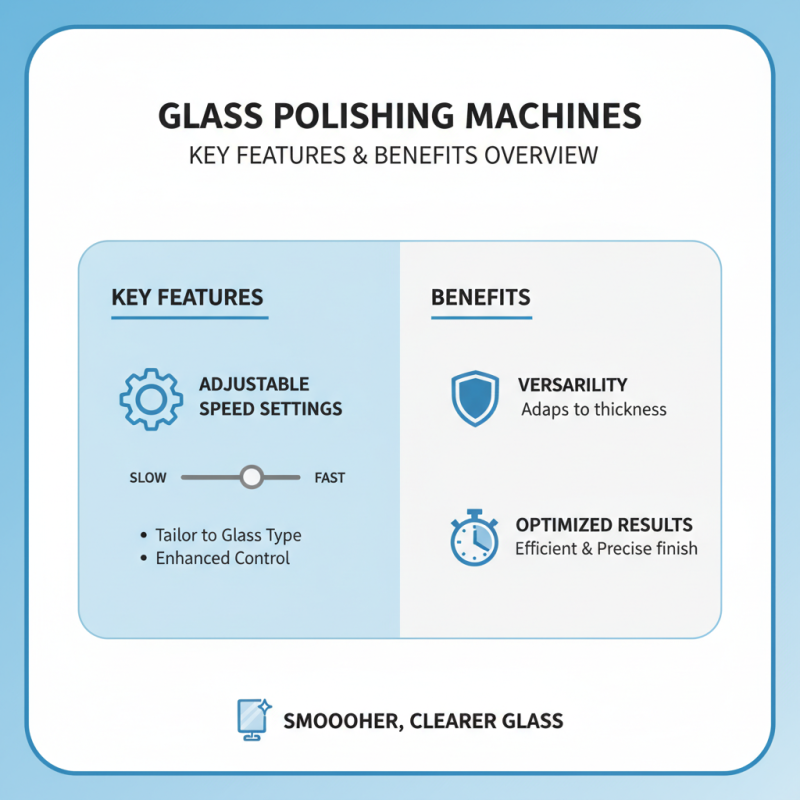
When it comes to glass polishing machines, understanding key features is vital. A good machine should offer adjustable speed settings. This allows users to tailor the polishing process to specific glass types. For example, thicker glass might need slower speeds. In contrast, thinner glass can benefit from higher speeds.
Another essential feature is the build quality. A robust machine reduces vibrations during operation. This can lead to a more uniform finish and increases user comfort. Eye protection and noise reduction are also important. Operating a noisy machine for long periods can be exhausting. Safety features should not be overlooked either.
Despite advancements, not all machines deliver a perfect finish. Users may encounter swirl marks or uneven surfaces. Regular maintenance is necessary to achieve consistent results. Cleaning the pads and monitoring their condition can help improve performance. Reflection on usage patterns can also aid in discovering the best techniques for different projects.
Criteria for Selecting the Best Glass Polishing Machine in 2026
When selecting a glass polishing machine in 2026, specific criteria should guide your choice. The machine's motor power is critical. A robust motor drives efficiency and speed. Industry reports indicate that machines with at least 1.5 HP achieve optimal results. Users often note that inadequate power levels lead to unsatisfactory finishes. This is an area where reflection is essential; underpowered machines can waste time and resources.
Another key factor is the type of polishing pads. The right pads paired with the machine can significantly affect the outcome. Varying pads suit different glass types. For instance, soft pads work best for delicate glass, while harder pads are needed for tough surfaces. A misjudged choice here can result in scratches or uneven finishes. Data from a recent survey showed that 35% of glass finish quality issues stem from incorrect pad usage.
Ease of use and ergonomics also play a vital role. Machines should be user-friendly and safe. Heavy or difficult-to-handle models can lead to operator fatigue, reducing productivity. In fact, users often reflect on their experience, identifying ergonomics as a frequent oversight in their purchasing decisions. Addressing these points can help ensure a perfect finish and enhance overall satisfaction with the machine.
Top Glass Polishing Machines on the Market: Reviews and Comparisons
When considering glass polishing machines, the array of choices can be overwhelming. Each machine has unique features. Some offer advanced technology, while others focus on simplicity. Assessing your needs is crucial. Think about the type of glass you will work with. Bigger plates may require more robust machines. Smaller tasks might need just a handheld option.
User reviews emphasize two key points: effectiveness and ease of use. Many machines excel in providing a flawless finish. However, not all are user-friendly. A steep learning curve can deter even experienced users. Some machines have complex controls that may frustrate beginners. Look for tools with intuitive designs and solid customer support. Feedback from users often highlights the importance of reliability.
Cleaning and maintenance are other critical aspects. Consistent upkeep ensures long-lasting performance. Neglect can lead to reduced efficiency over time. Always check for easy cleaning options in your final selection. Remember, the ideal machine should fit your specific needs. Keep in mind, even top-rated machines can have shortcomings. A thorough comparison will help you make an informed choice.
Maintenance Tips for Glass Polishing Machines to Ensure Longevity
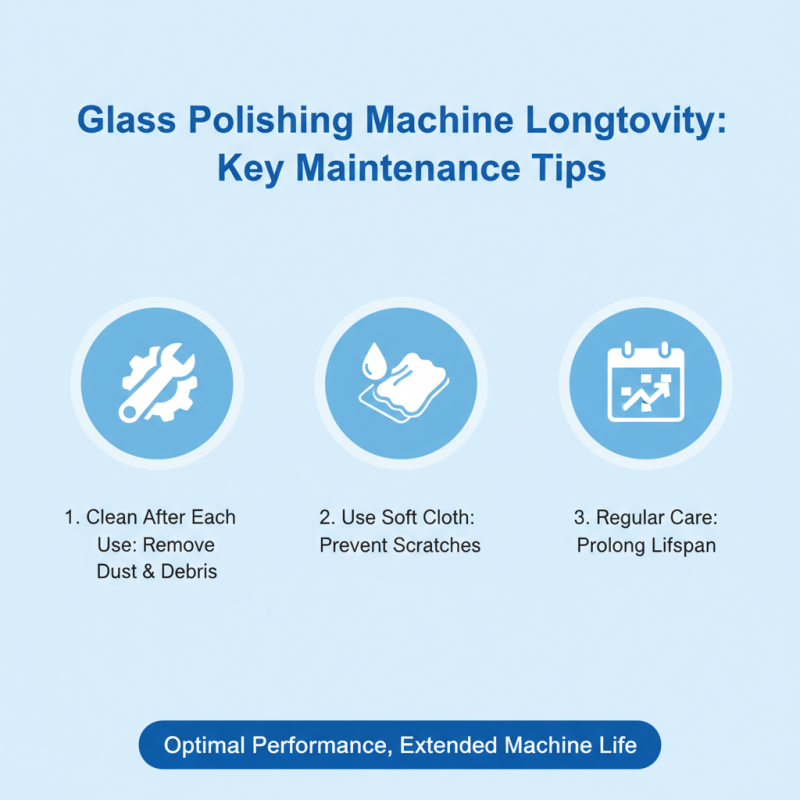
Maintaining glass polishing machines is crucial for optimal performance. Regular maintenance can prolong their lifespan significantly. One key tip is to clean the machine after each use. Dust and debris can cause scratches and affect the finish of your glass. Use a soft cloth to remove any residue from the polishing pads. This simple step can make a notable difference.
Another important practice is to inspect the polishing pads frequently. Over time, these pads can wear down and lose their effectiveness. If you notice uneven wear or damage, it’s time to replace them. Keeping spare pads on hand allows for immediate action, ensuring a consistent finish in your projects.
Additionally, check the machine’s components regularly. Loose bolts or frayed wires should be addressed quickly to prevent larger issues. Creating a routine inspection schedule can help catch problems early. Small details matter in maintenance; ignoring them may lead to costly repairs later. Keeping your equipment in top condition promotes better performance and achieves that perfect, polished glass finish.
Future Trends in Glass Polishing Technology and Innovations for 2026
The future of glass polishing technology is poised for exciting advancements in 2026. As industries prioritize efficiency and quality, new machines will emerge. These devices will incorporate smart sensors and AI to refine the polishing process. This will enable precise adjustments based on glass thickness and type. High-speed polishing may also become standard, minimizing production time while enhancing finish quality.
Innovations in materials are essential too. Expect to see improved polishing compounds that reduce scratches and enhance clarity. For instance, eco-friendly compounds will gain traction, aligning with global sustainability goals. However, implementing these new technologies presents challenges. Training staff on advanced machines may prove complicated, and costs could deter some businesses from upgrading.
Lastly, user feedback will shape these innovations. Many users report difficulties achieving consistent results with existing machines. In 2026, addressing these concerns will be crucial. Technologies must not only deliver excellent finishes but also boost user confidence. A balance between advanced features and usability will define the next generation of glass polishing machines.
Best Glass Polishing Machine for Perfect Finish in 2026
| Feature |
Specification |
Estimated Price (USD) |
Release Date |
Innovation Type |
| Speed Control |
Variable speed up to 3000 RPM |
$250 |
March 2026 |
Smart Technology |
| Weight |
8 lbs |
$225 |
April 2026 |
Lightweight Design |
| Cordless Option |
Yes, 60-minute runtime |
$300 |
June 2026 |
Battery Technology |
| Noise Level |
Low noise (< 60 dB) |
$275 |
August 2026 |
Silent Operation |
| Polishing Pad Types |
Flexibility for various materials |
$260 |
September 2026 |
Versatile Accessories |