What is a Glass Edge Polishing Machine and How Does It Work?
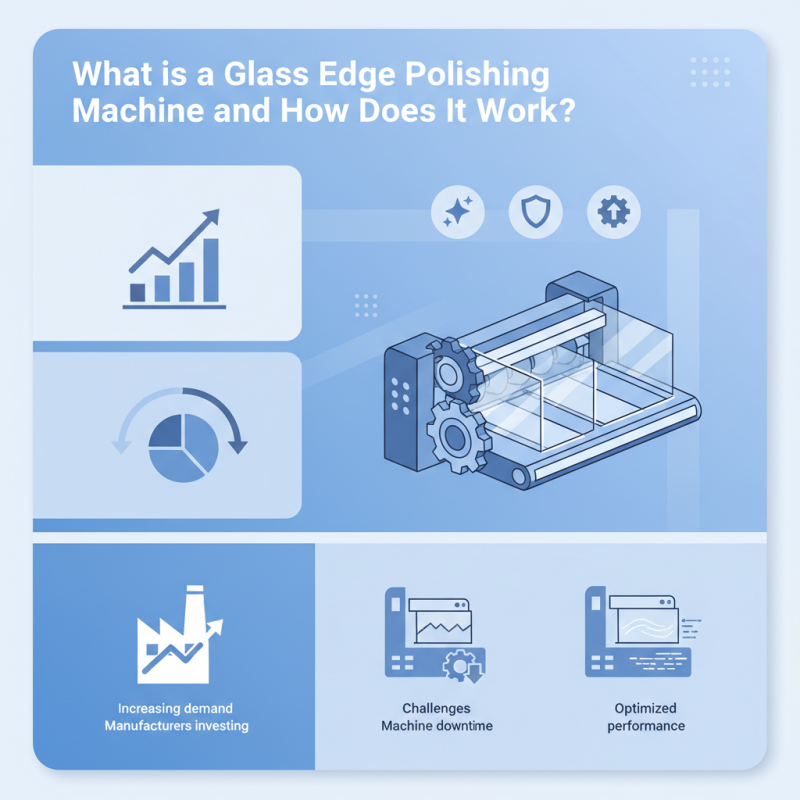
The Glass Edge Polishing Machine is essential in the glass processing industry. According to a recent market report, the glass processing equipment market is expected to grow by 6.5% annually, reaching $1.3 billion by 2026. This machine enhances the finishing process for various glass products, including windows and tabletops.
With increasing demand for high-quality glass products, manufacturers are investing in advanced polishing machines. These machines not only improve aesthetic appeal but also provide safety through smooth edges. The glass edge polishing process has become a standard practice within the industry, elevating production efficiency.
However, not all machines are created equal. Some manufacturers face challenges in optimizing machine performance. Issues like uneven polishing or machine downtime can impact productivity. Therefore, understanding the workings of a Glass Edge Polishing Machine is crucial for companies striving for excellence in glass finishing.
What is a Glass Edge Polishing Machine?
A glass edge polishing machine is an essential tool in the glass processing industry. This equipment specializes in smoothing and finishing the edges of glass sheets, which enhances their appearance and safety. According to a report from Grand View Research, the glass processing market is projected to grow at a CAGR of 4.5% from 2021 to 2028. This growth highlights the increasing demand for quality glass products across various sectors, including construction and automotive.
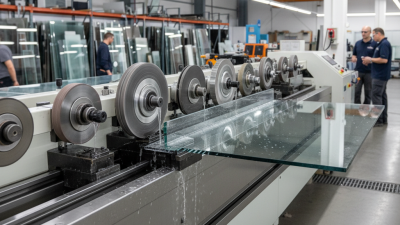
The machine operates by using abrasive wheels, which grind down rough edges. Typically, these wheels utilize diamond or ceramic materials for durability. The process not only improves the glass's aesthetic appeal but also reduces the likelihood of injury from sharp edges. However, it is crucial to regularly maintain these machines to ensure optimal performance. Neglecting maintenance can lead to inconsistent edge finishes and slow production rates.
While glass edge polishing machines improve efficiency, the process is not without challenges. Operators must be careful to avoid overheating, which can warp the glass. In addition, finding the right balance in the grading of abrasive wheels is often a trial-and-error aspect of operation. Such imperfections highlight the need for continuous training and adaptation in the industry. By addressing these issues, manufacturers can better meet quality standards and customer expectations.
Key Components of a Glass Edge Polishing Machine
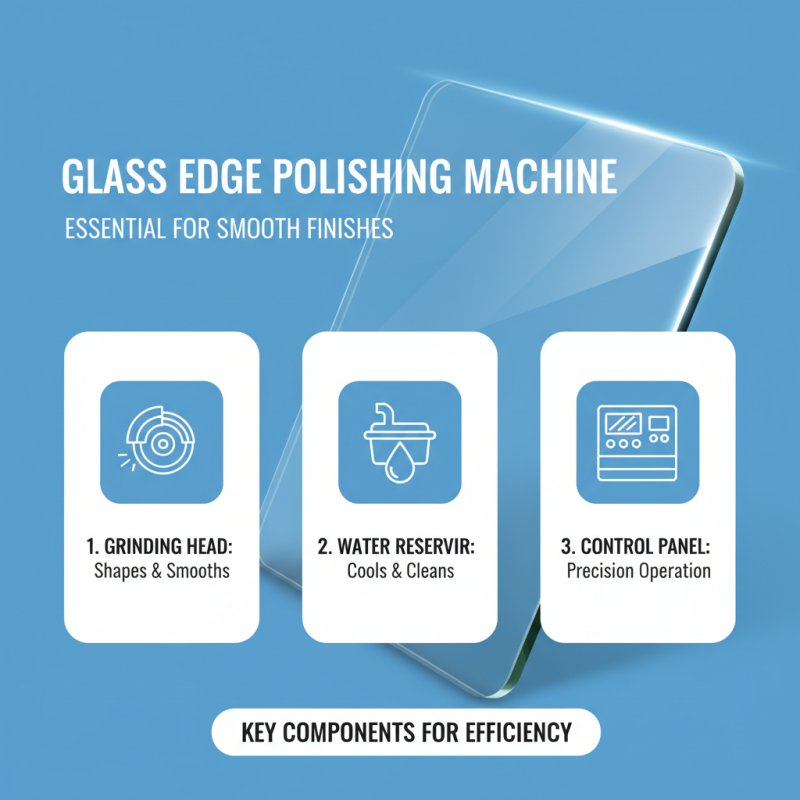
A glass edge polishing machine is essential for achieving smooth edges on glass products. Several key components contribute to its efficiency. The machine typically includes a grinding head, water reservoir, and a control panel.
The grinding head consists of abrasive pads that smooth the glass's edges through friction. This process removes sharp edges and imperfections. The water reservoir provides lubrication, reducing heat build-up and enhancing the polishing quality. Additionally, the control panel allows operators to adjust speed and pressure for different glass thicknesses.
Tips: Always monitor the machine's performance. Regular maintenance keeps it running at peak efficiency. Remember, an imperfect finish may result from inadequate polishing or worn-out pads. Adjustments in technique might be necessary.
Another important component is the frame. It supports the entire structure, ensuring stability during operation. A sturdy frame minimizes vibrations that could affect the polishing process. If the frame is not well-aligned, results may vary. Operators should regularly inspect it for wear or misalignment.
How Does a Glass Edge Polishing Machine Operate?
A glass edge polishing machine is designed to give a smooth finish to glass edges. It operates by using various types of abrasives and polishing wheels. The machine usually features multiple stations that can accommodate different glass thicknesses. Operators can adjust the speed and pressure to suit the specific type of glass being processed.
During the operation, the glass piece is guided through each polishing stage. This movement is often automated, allowing for consistent results. However, operators sometimes face challenges. Incorrect settings could lead to uneven edges or surface scratches. Regular checks and fine-tuning are necessary to maintain quality.
An important aspect is the choice of abrasives. The type and grit size can greatly affect the final appearance. Experimentation may be required to find the perfect match for various glass types. Mistakes can be costly. In essence, careful attention to detail is crucial for achieving the desired finish. The operation requires both skill and patience.
What is a Glass Edge Polishing Machine and How Does It Work?
| Feature |
Description |
| Machine Type |
Automatic Glass Edge Polishing Machine |
| Applications |
Used for polishing the edges of glass sheets for smooth finishes |
| Working Principle |
Utilizes friction from grinding wheels to polish glass edges |
| Speed |
Adjustable speeds for different thicknesses of glass |
| Advantages |
High efficiency, consistent results, and reduced labor costs |
| Maintenance |
Regular cleaning and checkups of polishing wheels required |
| Common Usage Industries |
Glass manufacturers, furniture industry, construction |
Applications of Glass Edge Polishing Machines in Industry
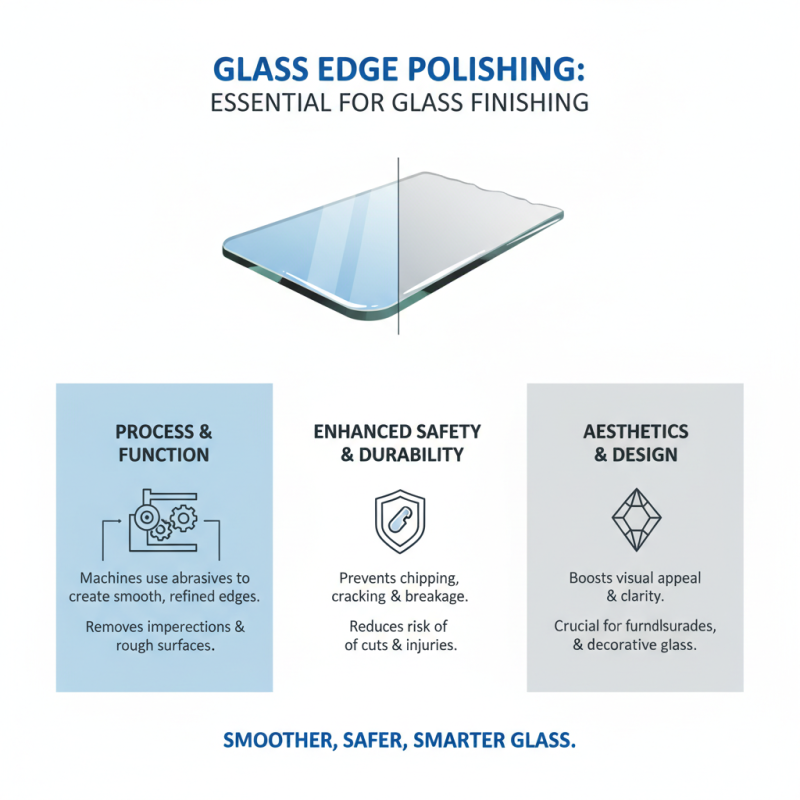
Glass edge polishing machines play a vital role in various industries. These machines are primarily used in glass manufacturing, where finishing touches are essential. With a polished edge, glass products become safer and more aesthetically appealing. They reduce the risk of injury caused by sharp edges. In construction, polished glass enhances architecture and design, providing a sleek look for windows and facades.
In the automotive sector, these machines contribute to the production of safe, polished glass for vehicles. Auto glass undergoes rigorous testing. Flaws in edge finishing can lead to failures. Therefore, precision in polishing is necessary. Similarly, the furniture industry benefits greatly. Glass tabletops and shelves require smooth edges to avoid chipping and cracking. A well-polished edge can make all the difference in a product's durability and appeal.
Despite their significance, issues may arise. Sometimes, machines can produce uneven finishes. Operators must remain vigilant and perform regular checks. The process itself requires skill and attention. Not every batch may turn out perfectly polished. Companies often need to reflect on their methods to enhance quality. Continuous improvement is key in this competitive market.
Applications of Glass Edge Polishing Machines in Different Industries
Advantages of Using Glass Edge Polishing Machines for Glass Finishing
Glass edge polishing machines play a crucial role in glass finishing. These machines create smooth, polished edges on glass sheets. This process enhances both appearance and functionality. The polished edges prevent chipping and improve safety. They also make the glass more visually appealing, which is essential for design-oriented projects.
One major advantage of using these machines is efficiency. Manual polishing can be slow and inconsistent. Machines provide a level of precision that is hard to achieve by hand. However, it's vital to set the correct parameters. Over-polishing can lead to damage. Additionally, proper maintenance of the machine is required to ensure optimal performance.
Another benefit is the consistency of results. Each piece finished will have uniform edges, which is important for large projects. However, new users may struggle to adjust settings initially. It takes practice to understand how different glass types react. This learning curve can be frustrating but is necessary for mastering the process.