What is a Glass Loading Table and How is it Used in Industries?
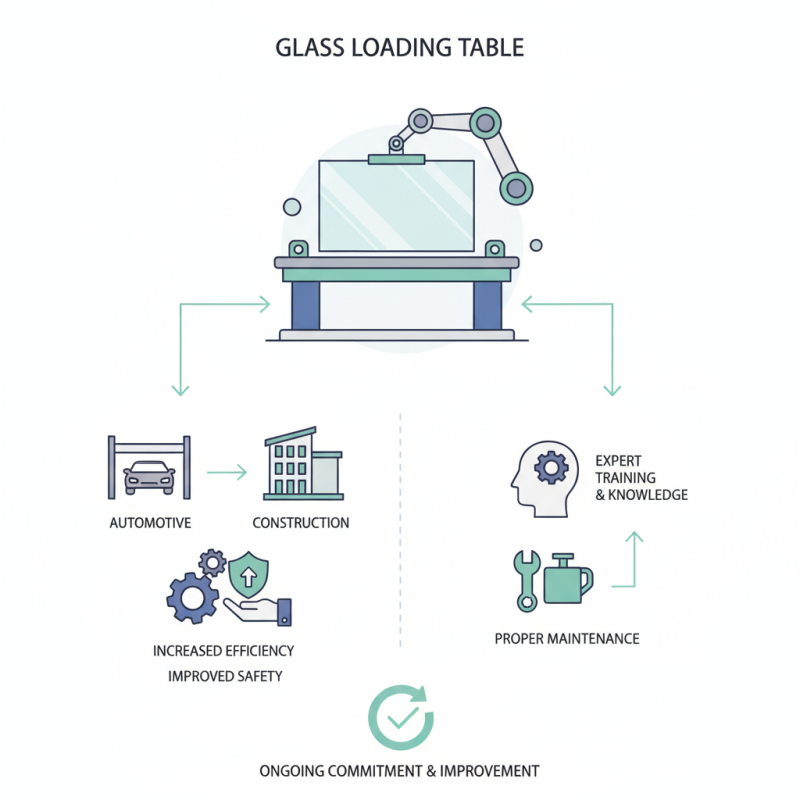
In the modern manufacturing landscape, the Glass Loading Table plays a pivotal role. John Smith, an industry veteran with over 20 years of experience, emphasizes, "A well-designed Glass Loading Table increases efficiency and safety." This equipment is essential in various sectors, including automotive and construction. Its primary function is to streamline the handling of glass sheets, minimizing the risk of damage.
Over the years, many companies have adopted this technology. However, not all have maximized its benefits. Some still face challenges in training staff to utilize it effectively. The Glass Loading Table is more than just a machine; it represents a shift towards improved industrial practices. Despite advancements, the need for continuous evaluation remains. Industry leaders must reflect on their use of these tables to ensure they meet current needs.
In an era of rapid technological change, the Glass Loading Table must evolve. Companies should invest not only in the equipment but also in knowledge. Expert training and proper maintenance are crucial for achieving optimal results. It's clear that while the Glass Loading Table is valuable, its successful implementation relies on ongoing commitment and improvement.
What is a Glass Loading Table and Its Importance in Manufacturing
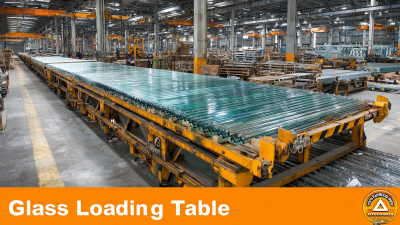
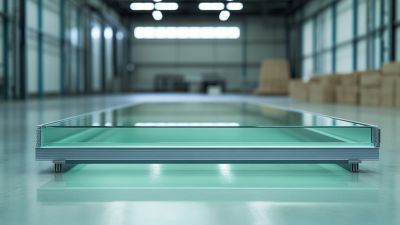
A glass loading table is an essential tool in the manufacturing sector. Its design allows for easier handling and safe transport of glass panels. It ensures that these fragile materials are loaded accurately into cutting machines or other equipment. This minimizes breakage risks and improves efficiency in production lines.
Proper use of glass loading tables can significantly enhance safety. Workers can position heavy glass sheets without strain. This reduces workplace injuries and boosts overall productivity. A good loading table must be sturdy and easy to maneuver. An ideal height allows operators to load glass without bending over.
Tips: Always check the loading capacity of the table. Overloading can lead to accidents. Ensure that the surface is clean and free of debris to prevent slippage. Encourage training for all staff to handle glass safely. Regular maintenance of the glass loading table can extend its lifespan.
Key Features of Glass Loading Tables for Enhanced Efficiency
Glass loading tables are essential in various industries. These tables help in efficiently handling glass materials during production. Their design often includes features that enhance safety and productivity.
One key feature is adjustable height. This allows workers to load and align glass sheets easily. Ergonomic designs reduce fatigue during prolonged use. Additionally, some tables have suction systems. These ensure secure handling, minimizing the risk of breakage. Effective organization spaces on the tables can also improve workflow and reduce mishaps.
However, not every loading table meets industry demands. Some lack stability under heavy loads. Others may not provide adequate safety features. Workers might find themselves struggling with poorly designed tables. Regular assessments and upgrades are vital. This ensures that glass loading tables remain effective and reliable. Keeping these aspects in mind can lead to better operational outcomes.
Industry Standards for Glass Loading Tables and Safety Regulations
Glass loading tables are essential in various industries, especially those dealing with glass manufacturing and processing. Safety regulations surrounding these tables are critical to ensuring worker safety and product integrity. Industry standards dictate that glass loading tables must be designed to minimize risks. Features such as non-slip surfaces and proper weight distribution are vital.
The Occupational Safety and Health Administration (OSHA) outlines regulations on the use of glass loading tables. These regulations emphasize proper training for operators. Employees must understand the risks associated with handling glass. They should wear appropriate personal protective equipment (PPE) while working. Safety barriers should be in place to prevent falls or injuries during loading and unloading processes.
Regular maintenance of glass loading tables is necessary. Over time, wear and tear can lead to safety risks. Companies should implement routine inspections to identify potential hazards. This practice not only ensures compliance with safety standards but also enhances efficiency. Reflecting on the limitations and challenges of maintaining strict compliance can drive improvements in workplace safety protocols and practices.
What is a Glass Loading Table and How is it Used in Industries?
| Dimension |
Measurement (mm) |
Weight Capacity (kg) |
Material |
Common Usage |
| Length |
3000 |
1500 |
Steel |
Glass manufacturing |
| Width |
1500 |
1500 |
Aluminum |
Automotive industry |
| Height |
850 |
1000 |
Plastic |
Packaging |
| Thickness |
15 |
2000 |
Glass |
Construction |
Applications of Glass Loading Tables in Various Industries
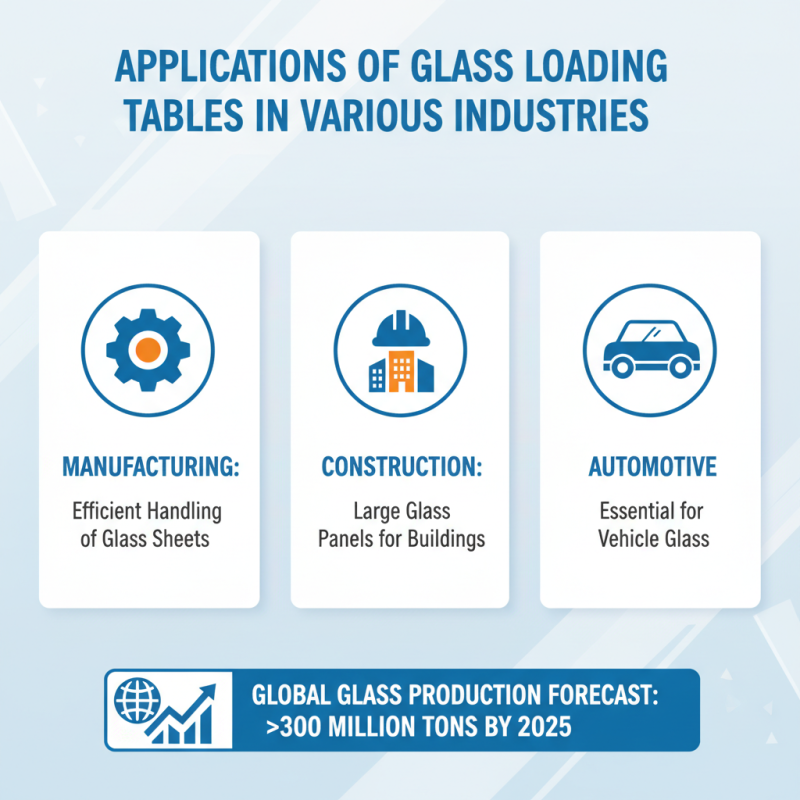
Glass loading tables play a vital role across various industries, facilitating the efficient handling of glass sheets. These tables are commonly used in manufacturing, construction, and automotive sectors, where large glass panels are essential. Industry reports indicate that the global glass production is expected to reach over 300 million tons by 2025, underscoring the demand for effective loading systems.
In manufacturing, glass loading tables promote smooth transportation for heavy glass sheets during production processes. They enhance safety by reducing the risk of breakage and injury. Automotive industries also utilize these tables in assembling windshields, improving workflow and precision. Research shows that nearly 20% of glass-related injuries are due to improper handling. An effective loading table could minimize these statistics significantly.
Tips: Always ensure the glass loading table is adapted to the material weight. Regular maintenance is crucial to prevent wear and tear. Also, consider training staff on proper loading procedures to boost safety and productivity. An investment in these systems can lead to better overall performance, despite higher initial costs. Frequent evaluations of your current process can reveal inefficiencies that need attention.
Impact of Glass Loading Tables on Production Speed and Labor Costs
Glass loading tables play a significant role in various industries that handle glass products. These tables facilitate the efficient handling and transport of glass sheets. By providing a smooth and stable surface, they help reduce the risk of damage during loading and unloading. This means fewer breakages and improved safety for workers. The design often includes adjustable features, allowing for various sizes of glass to be managed effectively.
The impact of glass loading tables on production speed is notable. They streamline the workflow, reducing time spent in manual loading processes. Workers can move glass sheets quickly and safely, enhancing overall productivity. Shorter loading times contribute to meeting production targets more efficiently. Additionally, the use of these tables can lower labor costs. With less reliance on manual handling, fewer workers are needed for these tasks. This shift allows employees to focus on more skilled tasks, thus improving overall efficiency.
Of course, the implementation of glass loading tables comes with its challenges. Staff need adequate training to use this equipment correctly. Without proper handling knowledge, risks can arise, leading to potential injuries or inefficiencies. Regular maintenance is essential to keep the loading tables functioning well. Neglecting this can result in breakdowns, which disrupt production and increase costs. Organizations need to consider these factors when integrating glass loading tables into their operations.