What is a Glass Polishing Machine and How Does It Work for Optimal Finish
The glass manufacturing industry has witnessed remarkable advancements in technology, particularly with the introduction of specialized machinery designed to enhance product quality. Among these innovations, the Glass Polishing Machine plays a crucial role in achieving optimal finishes that are essential for both aesthetic appeal and functional performance. According to a recent report by the International Association of Glass Manufacturers, the demand for precision-engineered glass surfaces has surged by 25% over the past five years, reflecting a broader trend towards quality-conscious production in the sector.
Experts in the field, such as Dr. Emily Carter, a renowned material scientist specializing in optics, emphasize the importance of glass polishing technology. "The integration of automated glass polishing machines into production lines not only improves efficiency but also significantly elevates the quality of glass products," she asserts. This statement underscores the critical function of these machines in ensuring that glass surfaces are free from imperfections and meet the stringent standards of various applications, from architectural glass to intricate optical components.
As we delve deeper into the workings of the Glass Polishing Machine, it becomes evident that the machine's design and operational mechanics are fundamental in delivering a flawless finish. By utilizing advanced polishing techniques and precision components, these machines have transformed the glass fabrication process, making them indispensable tools in the modern glass industry.
What is a Glass Polishing Machine? An Overview
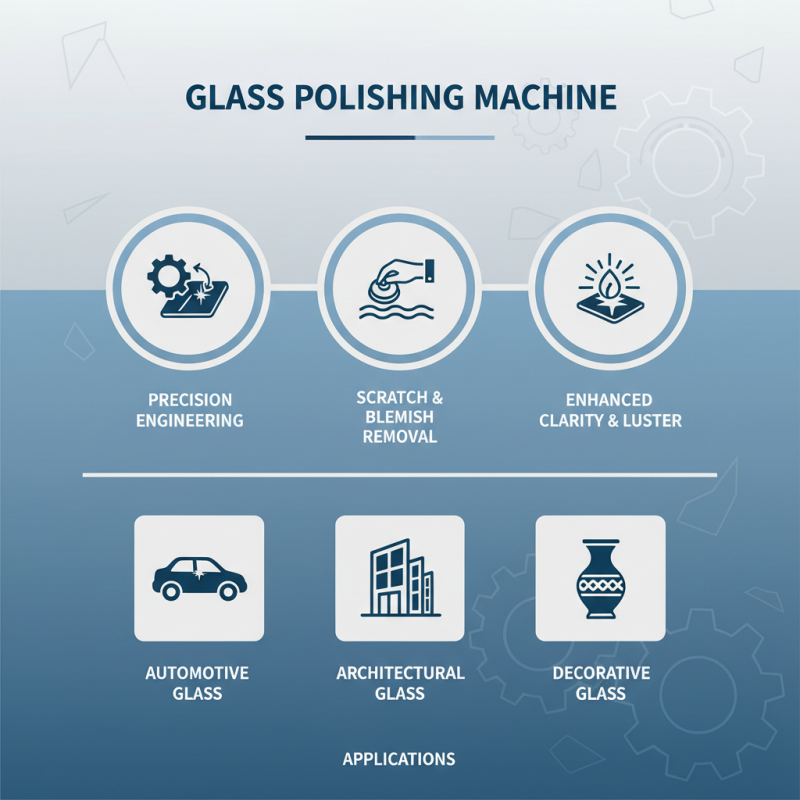
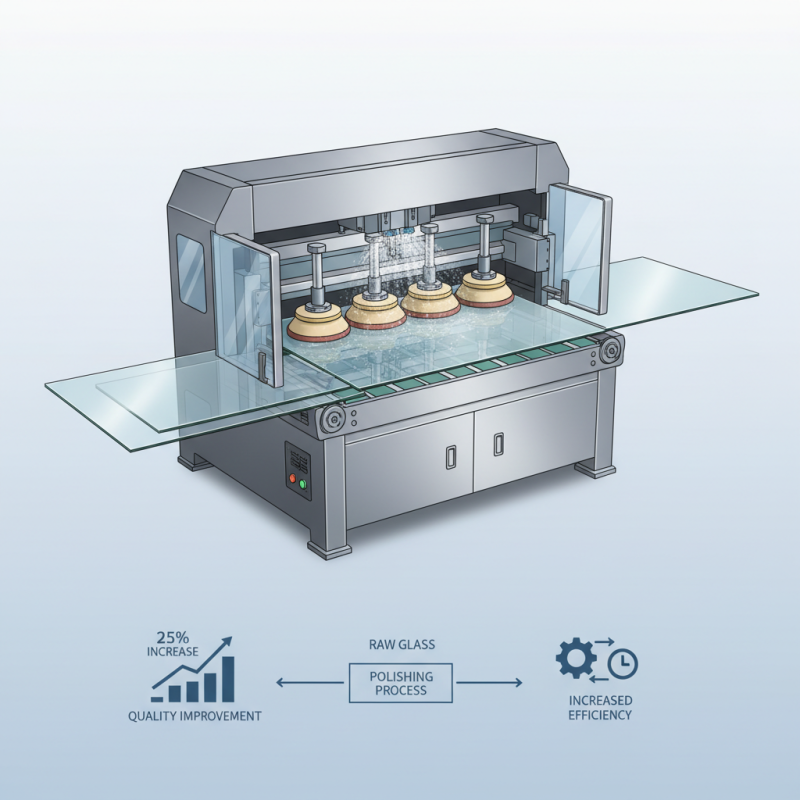
A glass polishing machine is a specialized tool designed to enhance the clarity and luster of glass surfaces through a systematic polishing process. These machines are typically utilized in applications where precision and aesthetic quality are paramount, such as in the manufacturing of glass products for automobiles, architecture, and decorative items. By employing various polishing pads and compounds, glass polishing machines efficiently remove scratches, blemishes, and other imperfections, resulting in a smooth, reflective finish.
When using a glass polishing machine, it's essential to follow some best practices for optimal results. First, always ensure that the glass surface is thoroughly cleaned to prevent any debris from causing further scratches during the polishing process. Additionally, select the appropriate polishing pad based on the type of glass and the level of defect being addressed. Experimenting with different compounds can also help achieve the desired finish, making the polishing process more effective.
Tip: Regular maintenance of the polishing machine is crucial. Ensure pads are clean and in good condition to avoid transferring dirt onto the glass. Furthermore, monitoring the pressure applied during polishing can help in preventing damage to fragile glass surfaces while still achieving an exquisite finish.
Key Components of Glass Polishing Machines Explained
Glass polishing machines are essential tools in the glass manufacturing and finishing industry, playing a crucial role in achieving a smooth and high-quality surface finish. The key components of these machines contribute significantly to their effectiveness and efficiency in operation. One of the primary components is the polishing wheel, typically made from advanced abrasive materials that allow for precision polishing. Reports indicate that the global market for glass processing machines, including polishing machines, is expected to grow at a CAGR of 4.5% through 2026, highlighting the increasing demand for high-quality glass products across various industries.
Another vital component is the control system, which allows operators to adjust parameters such as speed, pressure, and feed rate. Advanced control systems, which often incorporate automated features, enable precision adjustments that can drastically improve the quality of the finish. According to a recent industry analysis, machines equipped with sophisticated control systems can enhance productivity by up to 30%, thereby reducing operational costs for manufacturers. Additionally, the cooling systems in these machines help to maintain optimal temperatures, preventing damage to both the glass and the polishing tools, prolonging their lifespan and efficiency.
Understanding these components not only aids manufacturers in selecting the right glass polishing machine but also ensures that they can achieve consistent, high-quality results in their production processes.
Glass Polishing Machine Performance Metrics
Mechanisms of Operation for Glass Polishing Machines
Glass polishing machines are specialized equipment designed to enhance the clarity and smoothness of glass surfaces. The mechanisms of operation in these machines can be categorized into several key processes that collectively contribute to achieving an optimal finish. At the core of these machines lies the use of abrasive materials, which work in tandem with various motion technologies to refine surface imperfections.
The operation begins with the selection of suitable abrasives that correspond to the specific type of glass being polished. These abrasives are often embedded in pads or belts that are attached to spinning or oscillating mechanisms. As the machine operates, it applies consistent pressure and motion, allowing the abrasives to grind away scratches and impurities on the glass surface. The combination of speed and grit size can be adjusted depending on the desired finish, ensuring versatility across different polishing applications.
Moreover, advanced glass polishing machines incorporate additional features such as adjustable water or slurry systems. These systems serve to minimize heat buildup and provide lubrication, which helps in preventing glass fractures during the process. The result is an efficient polishing cycle that not only enhances the optical clarity of glass but also prolongs the life of the machine components by reducing wear and tear. With these mechanisms working in harmony, glass polishing machines achieve a flawless finish that is essential for a wide range of industries.
Industry Standards for Optimal Glass Finishing Solutions
Achieving optimal glass finishing solutions requires adherence to rigorous industry standards that guarantee quality and durability. At the core of these standards is the consistency of the polishing process, which must be meticulously controlled to ensure even surfaces and immaculate clarity. Factors such as the type of glass being polished, the abrasives used, and the machine settings all play crucial roles in meeting these industry benchmarks. High-quality glass polishing machines are designed to offer precise control over these variables, resulting in a product that not only meets but often exceeds industry expectations.
In addition to achieving a flawless finish, compliance with industry standards often mandates the implementation of environmentally friendly practices and safety measures during the manufacturing process. This includes the proper management of waste materials and the use of safe-emission techniques. By focusing on these operational standards, manufacturers can better align their processes with international regulations and sustainability goals. Ultimately, prioritizing industry standards in glass finishing not only enhances product quality but also fosters a responsible manufacturing ethos that benefits both the business and the environment.
What is a Glass Polishing Machine and How Does It Work for Optimal Finish - Industry Standards for Optimal Glass Finishing Solutions
| Feature |
Description |
Industry Standards |
Optimal Applications |
| Polishing Technique |
Using abrasive materials to remove surface imperfections |
ISO 9001, ASTM C1036 |
Architectural glass, automotive glass |
| Machine Types |
Automatic, Semi-automatic, Manual |
CE Marking, ISO 13485 |
Manufacturing plants, workshops |
| Material Compatibility |
Compatible with various glass types: float, tempered, laminated |
ASTM C1172 |
Home décor, commercial installations |
| Finish Quality |
Achieves a mirror-like finish with proper use |
ISO 25178 |
Glass art, high-end displays |
| Environmental Standards |
Emissions and waste disposal regulations |
ISO 14001, REACH |
Sustainable manufacturing processes |
Benefits of Using Advanced Glass Polishing Technologies
Advanced glass polishing technologies have revolutionized the way manufacturers achieve high-quality finishes in glass products. One of the primary benefits is the efficiency these machines bring to the production process.
According to a report by the International Glass Association, using automated glass polishing machines can enhance productivity by up to 40%, significantly reducing labor costs and production time.
This efficiency is critical in industries where high-volume output is necessary without compromising on quality.
Furthermore, these advanced technologies ensure consistency in the polishing process, which is vital for achieving uniform finishes across large batches. For instance, the application of CNC glass polishing machines allows for precise control over polishing parameters, resulting in a smoother surface and minimal defects.
Data from a recent market analysis indicated that companies adopting such technologies have observed up to a 30% reduction in polishing defects compared to traditional methods.
This not only improves product quality but also enhances customer satisfaction, leading to increased repeat business and improved competitiveness in the market.
The integration of these advanced polishing technologies is thus an essential investment for manufacturers aiming for optimal finish and operational excellence.